 how-to
What Happens If It Rains on My Boat Charter?
Table of Contents
- How Captains Decide: The 'Captain's Call' on Rain
- Your Boat Charter Cancellation Policy Explained
- How to Check Marine Weather Forecasts Before You Go
- What to Wear on a Sailboat in Light Rain
- Safety Protocols and What Happens If Weather Worsens
- Liability, Insurance, and Legal Responsibilities
- Conclusion: Planning for a Great Trip, Rain or Shine
- Frequently Asked Questions
Last Updated: September 26, 2026
How Captains Decide: The 'Captain's Call' on Rain
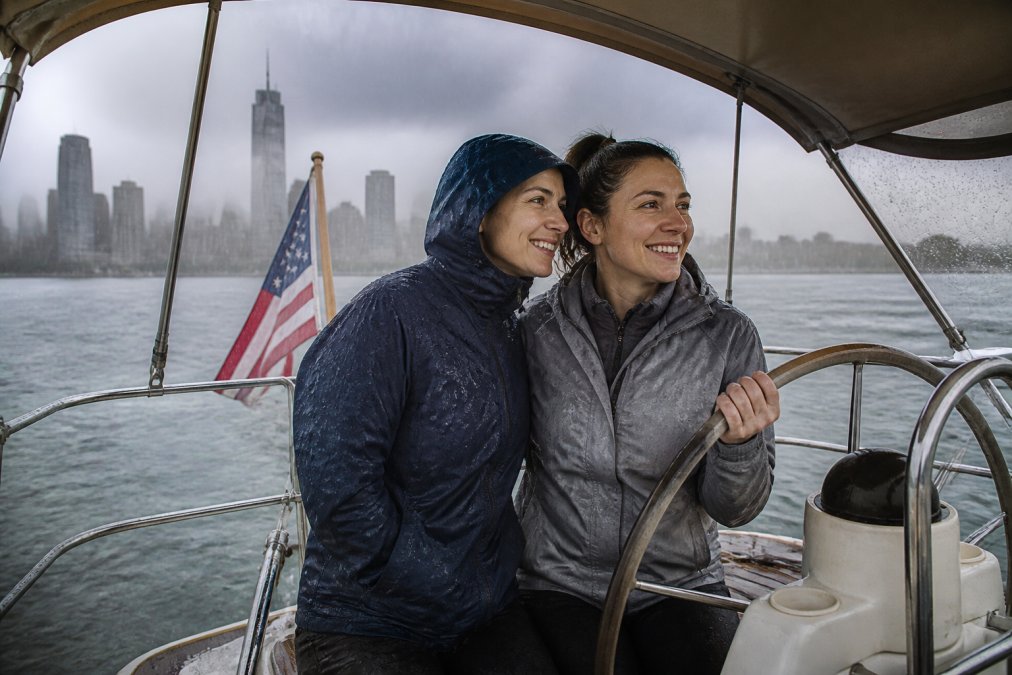
What happens if it rains on my boat charter? In most cases, the trip still sails, so what happens if it rains on my boat charter rarely means a cancellation. Light rain rarely stops a charter. Only unsafe conditions, like thunderstorms or high winds, trigger a cancellation. The captain makes that final call, and it's almost always about safety, not comfort.
That decision has a name among sailors: the captain's call. It's not a guess. It's a judgment built on real-time radar, wind readings, and years on the water. At City Light Sailing NYC, our captains watch the marine forecast closely. If the radar shows a passing shower, you sail. If it shows lightning, you don't.
Here's the part most people miss: a rainy forecast is not a cancellation. It's information.
Light Rain vs. Severe Weather: What's the Difference?
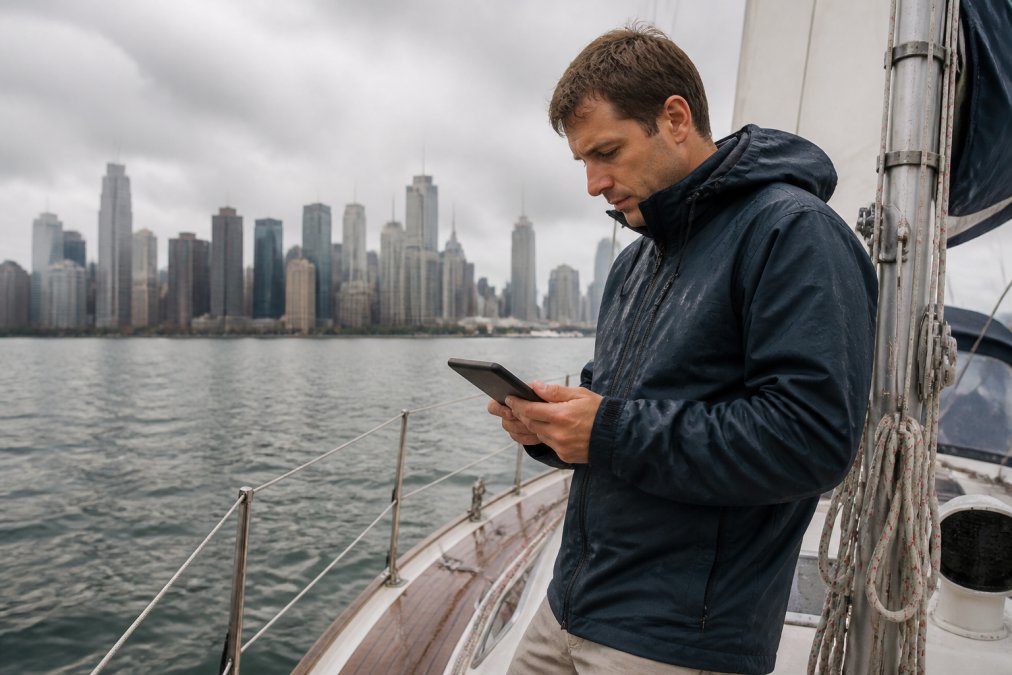
Light rain means steady drizzle with calm wind and good visibility. Charters usually run as planned.
Severe weather means thunderstorms, high wind speeds, rough seas, or low visibility. These conditions cancel or delay a trip.
The line between them is not how wet you get. It's whether the boat and everyone aboard stay safe. A little rain on the deck is an inconvenience. Lightning within a few miles is a hard stop. The National Weather Service marine forecast guidance treats lightning and small craft advisories as serious warnings, not suggestions.
Your Boat Charter Cancellation Policy Explained
A boat charter cancellation policy spells out who decides, when, and what you get back. Most private charters put the weather decision in the captain's hands. If the captain cancels for safety, you typically get a full refund or a free rescheduling. If you cancel for your own reasons, different rules apply.
Read the policy before you book. The details matter:
- Who has the final say on weather cancellations
- How much advance notice you get
- Whether you get a full refund or a reschedule
- What counts as "unsafe" versus "uncomfortable"
A common mistake is assuming rain equals a refund. It doesn't. A drizzle with calm seas is a green light. A storm forecast is a stop sign.
What to Expect for Refunds and Rescheduling
Most operators offer two options when weather forces a cancellation: a full refund or a rescheduling to another date. Many travelers pick the reschedule, since the trip was the whole point.
Ask these questions when you book:
- Is the refund automatic, or do I have to request it?
- Can I reschedule to any open date, or only within a set window?
- Does the deposit transfer if I move the trip?
The Contract Checklist: What to Look For Before You Pay
Most weather disputes aren't about whether it rained. They're about what the contract actually said. Before you put down a deposit, open the charter agreement and confirm each of these items is addressed in writing. If any are missing, ask the operator to clarify by email so you have a record.
1. The cancellation trigger. Does the policy say "unsafe conditions" or does it list specific thresholds, such as a small craft advisory, lightning within a set radius, or sustained winds above a stated speed? Vague language favors the operator. Specific language favors you.
2. Who makes the call. Confirm the captain has sole discretion on weather cancellations. If the policy lets the operator sail in conditions you consider unsafe and still charge you, that's a red flag.
3. Refund versus credit. A full refund returns your money. A credit or voucher keeps it with the operator, often with an expiration date. Know which one you're getting and how long a credit stays valid.
4. Notice windows. Some policies require the operator to notify you a set number of hours before departure.
What Happens If Weather Deteriorates Mid-Trip
If the captain ends a trip early for safety, ask about a partial refund or a reschedule. Many operators offer one. Ours does. The key question is whether the policy addresses partial trips at all. Some contracts are silent on this, which leaves it to the operator's discretion. A well-written policy states whether a shortened trip earns a prorated refund, a credit toward a future sail, or nothing.
How to Check Marine Weather Forecasts Before You Go
Learning how to check marine weather forecasts takes five minutes and saves a ruined afternoon. Marine forecasts are built for boaters, not beachgoers. They track wind speed, wave height, visibility, and storm timing. That's the exact information a captain uses.
- Wind speed: steady wind under about 15 knots is usually comfortable
- Wave height: smaller waves mean a smoother ride
- Storm window: when storms are expected, not just if
Understanding Marine Forecasts and Small Craft Advisories
A small craft advisory is a warning that wind or waves may be too much for smaller boats. It's issued by the National Weather Service when conditions could be hazardous. When one is active, many captains postpone or move the route to calmer coastal waterways.
What to Wear on a Sailboat in Light Rain
What to wear on a sailboat in light rain comes down to layers and a good shell. You don't need heavy gear. You need to stay dry and warm without overheating.
Pack these:
- A waterproof, windproof jacket with a hood
- Quick-dry pants or shorts (skip jeans, they stay wet)
- Closed, non-slip shoes with grip
- A warm base layer for cooler evenings
- A dry bag or waterproof pouch for your phone
Safety Protocols and What Happens If Weather Worsens
If weather worsens mid-trip, the captain heads for calmer water or back to the dock. Passenger safety comes first, always. That's the standard maritime practice, and it's written into every charter agreement.
Here's what good operators do:
- Monitor live radar throughout the sail
- Keep life jackets accessible for everyone
- Brief guests on safety before departure
- Communicate any change in plans clearly
The Captain's Call, Mid-Trip: What Actually Triggers a Turnaround
Most guests assume a captain turns back the moment rain starts. In practice, the decision is driven by a short list of objective signals, not by how wet anyone is getting. Understanding these signals helps you read the situation in real time and reduces the frustration of a shortened trip.
Why Captains Err Toward Caution
The asymmetry matters. A captain who cuts a trip short for weather that never materializes loses a few hours of sailing and maybe some goodwill. A captain who pushes through a storm cell risks the boat, the guests, and a license. That imbalance is why the captain's call almost always leans conservative, even when the sky looks fine to you.
What to Do If the Trip Is Cut Short
If the captain ends a trip early for safety, ask about a partial refund or a reschedule. Many operators offer one. Ours does. Ask before you book whether the policy addresses shortened trips, and get the answer in writing.
Liability, Insurance, and Legal Responsibilities
The captain and operator carry the legal responsibility for the vessel and everyone on it. That's operator liability, and it's non-negotiable under maritime regulations. A licensed captain is trained to make weather calls that protect passengers.
- Is the captain licensed and insured?
- Does the company carry marine liability coverage?
- What does the charter agreement say about weather?
Never book a charter that won't put its cancellation and refund terms in writing. If a company dodges the question, that's your answer. Walk away and find an operator who is upfront.
Conclusion: Planning for a Great Trip, Rain or Shine
Weather is the one thing no one controls on the water. What you can control is how you prepare. Check the marine forecast, read the cancellation policy, dress in layers, and trust the captain's call. Do that, and a little rain becomes part of the story, not a deal-breaker.
Frequently Asked Questions
Is it safe to go on a boat charter if it is raining?
It depends on the type of rain. Light rain or a drizzle is usually safe for a boat charter, and many trips proceed as planned. However, if the rain comes with thunderstorms, high winds, or reduced visibility, it becomes a safety issue. In those cases, the captain will likely cancel or reschedule the trip. Always check the marine forecast and follow the captain's guidance.
What is the standard refund or rescheduling policy for rainy weather?
Most private boat charters offer a full refund or the option to reschedule if the captain cancels due to unsafe weather. Policies vary, so check your charter agreement. Some companies may offer a credit for a future trip instead of a refund. If you cancel for your own reasons, different rules may apply, so review the cancellation policy before you book.
How does the captain decide when to cancel a charter due to weather?
The captain uses the marine forecast, real-time radar, and local conditions to make the call. They consider wind speed, wave height, visibility, and the presence of thunderstorms. Safety is the top priority. If conditions are borderline, the captain may wait until the last minute to decide. You will typically be notified as soon as a decision is made, often a few hours before your trip.
What should I wear on a sailboat in light rain?
For light rain, wear a waterproof jacket and pants, and bring a hat with a brim. Closed-toe shoes with good grip are essential. Avoid jeans and cotton, which stay wet and cold. Layering with moisture-wicking fabrics helps. A small dry bag for your phone and valuables is also a good idea.