 how-to
How to Find Safe Boat Captains in NYC: 2026 Guide
Table of Contents
- What You'll Need Before You Start Your Search
- How to Verify a USCG Captain License
- Boating Safety Regulations for Harbor Charters
- What to Look for in a Charter Boat Captain
- Insurance Verification and Liability Coverage
- Local Waterway Hazards and Navigation Experience
- Vetting Checklist for Private Boat Owners
- Conclusion
- Frequently Asked Questions
Last Updated: September 15, 2026
What You'll Need Before You Start Your Search
Finding safe boat captains in NYC starts with knowing exactly what credentials and coverage to demand from safe boat captains before you ever step aboard. This guide from City Light Sailing NYC walks you through the verification steps that separate a qualified maritime professional from someone hoping you won't ask questions.
Before you contact a single operator, gather a few basics: the date and duration of your trip, your group size, and the type of vessel you want. That information shapes which captains are even eligible to take you out. A captain licensed for a six-passenger charter operates under different rules than one running a larger commercial vessel.
Here's the uncomfortable truth most booking sites won't tell you: anyone can print a website and call themselves a captain. The credentials that matter come from the US Coast Guard, and verifying them takes about ten minutes if you know where to look.
How to Verify a USCG Captain License
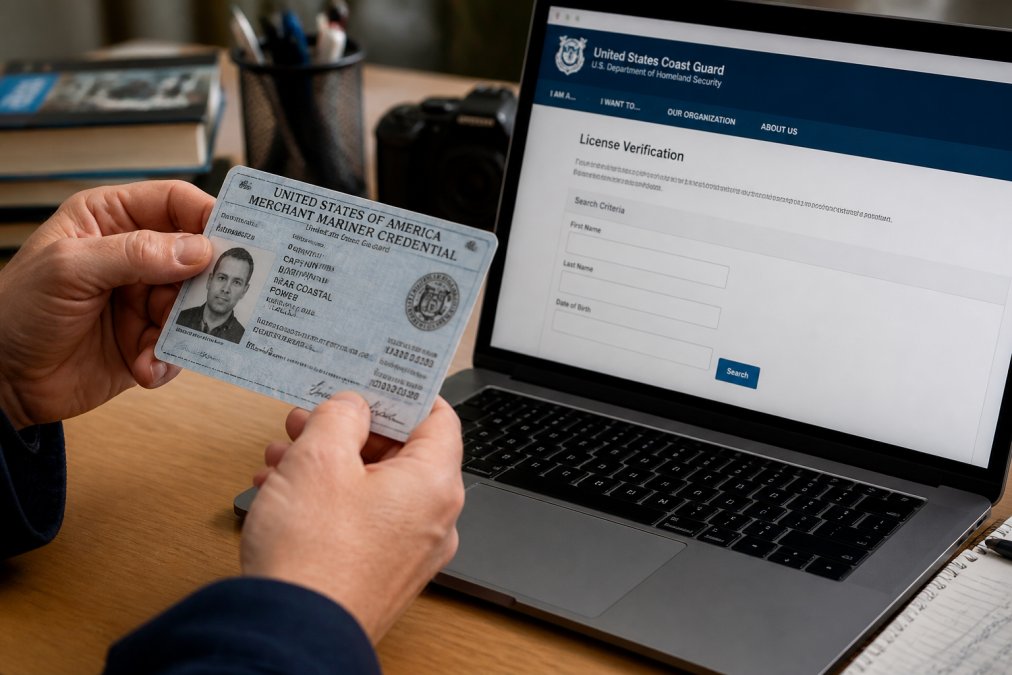
A US Coast Guard captain's license is a federal credential called a Merchant Mariner Credential, and you can verify it directly through the Coast Guard's online system. The license lists the captain's name, credential number, tonnage rating, and the waters they're authorized to operate in.
Here's how to verify USCG captain license details in four steps:
- Ask the operator for the captain's full legal name and credential number
- Look up the credential through the Coast Guard's merchant mariner verification portal
- Confirm the license is current and matches the vessel's operating area
- Check the tonnage rating against the boat you're chartering
A common rating you'll see is the 100-ton license, which covers most charter sailboats and smaller motor yachts in the harbor. If a captain can't produce a credential number, that's your answer.
Boating Safety Regulations for Harbor Charters
Boating safety regulations for harbor charters set the minimum standards every commercial vessel must meet, and they cover far more than the captain's paperwork. The Coast Guard requires commercial vessels to carry specific safety equipment, pass regular inspections, and operate with a qualified crew when passenger counts demand it.
A proper vessel safety check covers fire extinguishers, life jackets for every passenger, sound-producing devices, and navigation lights. Commercial operators also follow maritime law on passenger limits, which is why a six-passenger vessel and a fifty-passenger vessel operate under completely different rule sets.
State and local rules layer on top of federal requirements. New York State Parks marine safety information outlines additional operating requirements for vessels on state waters, and operators should be able to speak to those rules without hesitation.
What to Look for in a Charter Boat Captain
What to look for in a charter boat captain comes down to three things: verified credentials, genuine local experience, and a safety-first attitude you can feel in how they answer questions. A captain with decades of mariner experience on these specific waterways handles harbor navigation differently than someone who learned on open ocean.
Ask about their background directly. How long have they operated in the harbor? Do they hold current first aid training and CPR certification? A serious maritime professional keeps both current because emergencies on the water don't wait for an ambulance.
Pay attention to how they communicate about radio communication, emergency protocols, and weather decision-making. Captains who welcome these questions are usually the ones who run tight operations. The ones who get defensive aren't.
Insurance Verification and Liability Coverage
Insurance verification is the step most private charter customers skip, and it's the one that protects you if something goes wrong. A legitimate charter operator carries marine liability coverage and can produce a certificate of insurance on request, but knowing what a real certificate looks like is what separates a genuine check from a box-ticking exercise.
A certificate of insurance (often called a COI) is issued by the operator's insurance carrier or broker, not by the operator themselves. That distinction matters: a COI is a third-party document, and a captain who types up their own coverage letter isn't giving you proof of anything. When you request one, look for these specific fields:
- Named insured, the legal entity that owns or operates the vessel. It should match the name on your charter agreement, not a different company or an individual you've never heard of.
- Policy type, you want to see protection and indemnity (P&I) coverage, which is the marine equivalent of general liability and is what responds to passenger injuries. Hull coverage protects the boat, not you.
- Policy period, the effective and expiration dates must cover your charter date. An expired COI is worthless.
- Coverage limits, listed per occurrence and aggregate. Ask the operator what the per-passenger sublimit is, if any; some policies cap payouts per person well below the headline number.
- Certificate holder, you can ask to be listed as an additional insured or certificate holder for your trip date. Many carriers will do this at no cost, and it gives you direct notice if the policy is cancelled before your charter.
Once you have the COI, call the phone number printed on it and confirm the policy is still active. Insurance carriers will verify coverage over the phone for a named certificate holder. This takes five minutes and catches the two most common problems: a policy that lapsed after the COI was issued, and a COI that was altered or fabricated.
A few more things worth knowing:
- Commercial vs. personal policies. A captain who insures their boat as a personal recreational vessel is not covered when paying passengers come aboard. If the COI doesn't explicitly reference commercial passenger operations, ask why.
- Jones Act and maritime law. Injuries on navigable waters fall under federal maritime law, not standard state premises liability. Coverage that works for a land-based business may not respond to a claim on the water.
- Your own options. Some personal umbrella policies and travel insurance products offer limited coverage for chartered water activities. Check with your insurer before you book if you want a backstop.
If an operator can't produce a COI, produces one with a different named insured, or won't let you call the carrier to verify, treat that as a serious red flag. US Coast Guard boating safety resources explains why documented coverage matters for both operators and passengers.
Local Waterway Hazards and Navigation Experience
Local waterway hazards are why harbor experience matters more than raw years on the water.
Tidal currents and timing. The harbor's currents reverse direction with the tide, and the strongest flow happens in the middle of a tidal cycle, not at slack. A captain who plans a route around current direction, not just distance, will give you a smoother, faster, and safer ride. Ask them what the tide is doing during your charter window and which direction the current will run.
Vetting Checklist for Private Boat Owners
| What to Verify | How to Check It | Why It Matters |
|---|---|---|
| Captain's license | Coast Guard credential lookup | Confirms legal authority to operate |
| Vessel inspection status | Ask for documentation | Shows the boat meets safety standards |
| Insurance certificate | Request a copy directly | Protects you if something goes wrong |
| First aid and CPR | Ask about current certification | Matters in a medical emergency |
| Local experience | Ask about years in these waters | Reduces navigation risk |
| Safety equipment | Confirm life jackets and extinguishers | Required for every passenger |
Conclusion
The difference between a memorable charter and a risky one comes down to the questions you ask before you book.
Frequently Asked Questions
What credentials should a safe boat captain in NYC have?
A safe boat captain should hold a valid US Coast Guard merchant mariner credential, often a 100-ton license for harbor charters. They should also have current first aid training and CPR certification. Look for documented mariner experience on local waterways and proof of insurance. Ask about their vessel inspection history.
How can I verify a captain's USCG license status?
You can verify a captain's USCG license through the Coast Guard's online merchant mariner credential verification portal. Ask the captain for their credential number and legal name, then search the database. Confirm the license type, expiration date, and any endorsements. A legitimate captain will share this information without hesitation. If they refuse or provide vague answers, treat that as a red flag and look elsewhere.
What safety equipment is required on commercial passenger vessels?
Commercial passenger vessels must carry life jackets for every person on board, fire extinguishers, visual distress signals, a first aid kit, and a marine VHF radio. They also need a sound-producing device and navigation lights for night operation. Ask your captain to show you where safety equipment is stored before departure.
What questions should I ask before hiring a private boat captain?
Ask about their license type and expiration, years of experience on local waterways, insurance coverage, and emergency protocols. Request their USCG credential number so you can verify it. Ask how many passengers the vessel is certified to carry and whether they hold current first aid and CPR certifications. Also ask about their cancellation policy and what happens if weather turns unsafe.